
Slow Food & Agriculture · Food & Farming · Slow Life
Agroecology Is Not a Movement. It Is a Memory
Published 22 January 2026 · By Jen Marsden
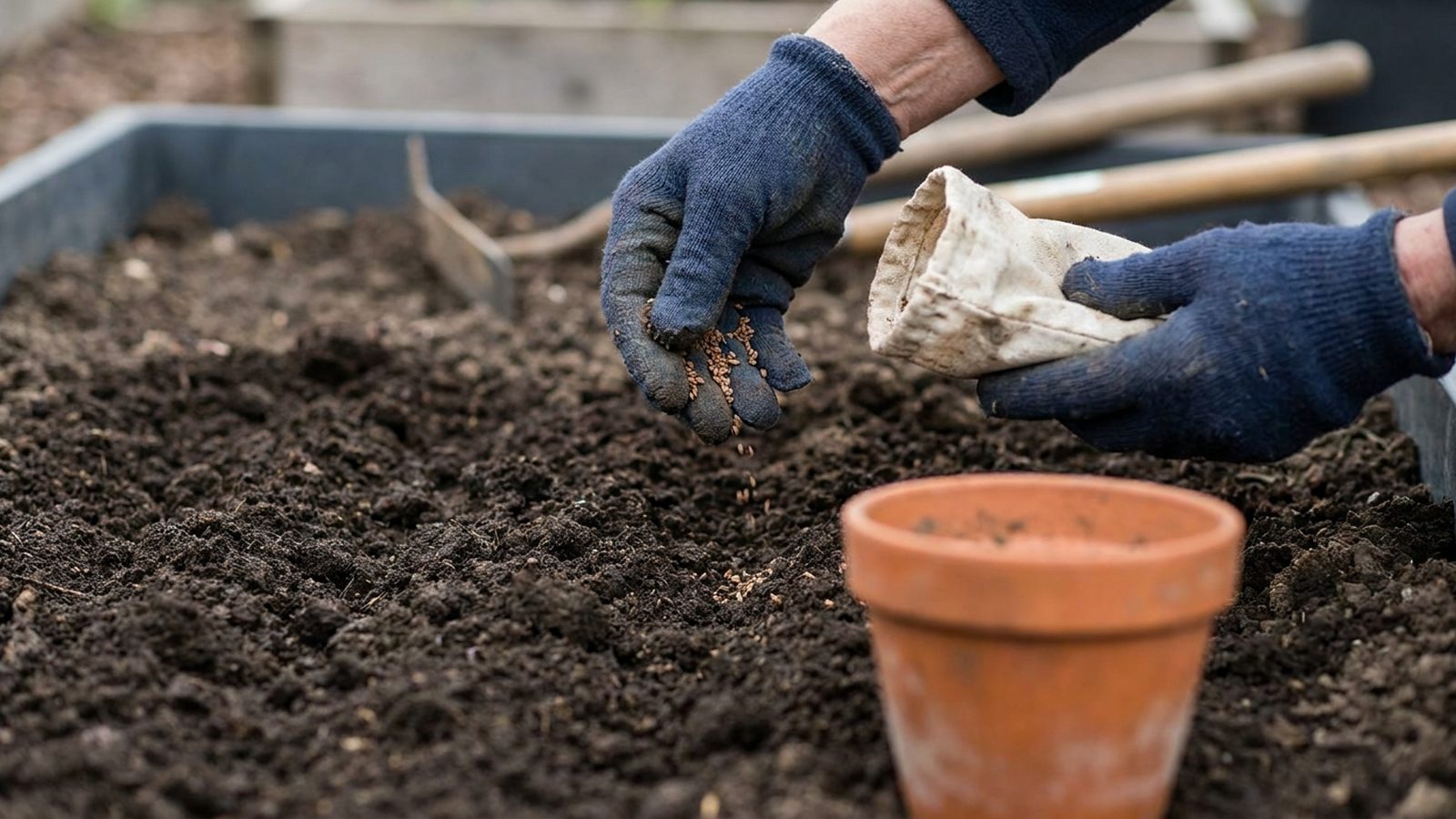
Agroecology is not a new idea but an old one: a way of farming that works with natural systems instead of against them, the way people grew food for thousands of years before industrial agriculture.
What if the newest idea in farming turned out to be the oldest? Agroecology gets talked about as though it arrived recently, a fresh answer to the trouble that industrial agriculture has made. In truth it is less an invention than a remembering, a return to ways of growing that fed people for thousands of years before we decided we knew better. It is not a movement to be launched. It is a memory to be reinstated.
The word can sound technical, so let us keep it plain. Agroecology means working with the ecology of a place rather than against it, treating a farm as a living system instead of a factory floor. It means healthy soil rich with life, crops and animals that support one another, diversity instead of monoculture, and local knowledge valued alongside science. It means feeding the soil so the soil feeds the plant, rather than pouring in inputs to force a yield from ground that has been exhausted.
Agroecology: The historical norm
Put like that, it hardly sounds radical, and that is exactly the point. For most of human history this was simply how farming worked, because it had to. Without synthetic fertiliser or chemical sprays, growers relied on rotation, on animals returning fertility to the land, on companion planting, and on patient observation of their particular soil and weather. They read their land the way you might read a familiar face. This knowledge was ordinary, everywhere, and largely unwritten, passed from one generation to the next in the doing.
Then came the great acceleration of the twentieth century. Synthetic inputs, heavy machinery, and vast single-crop fields promised more food for less labour, and for a while they delivered exactly that. But the bill came due, as bills do. Degraded soils, poisoned water, collapsing insect populations, and a countryside emptied of much of its diversity. The old knowledge, meanwhile, was dismissed as backward and quietly allowed to fade. We did not just change how we farmed. We forgot how we used to.
Why it’s not a ’movement’
This is why calling agroecology a movement, while well meant, slightly misses the mark. A movement implies something new, something invented and then promoted. Agroecology is closer to an act of recovery. Much of what it teaches, feed the soil, embrace diversity, close the loops, work with nature rather than against it, is precisely what farmers knew before we persuaded them to forget. Reinstating is a better word than rebranding. We are not dressing up an old thing as new. We are remembering something we should never have let go.
That distinction matters for how we talk about it. If agroecology is sold as the latest innovation, it competes with every other shiny fix and inherits the same suspicion. If it is understood as a recovery of hard-won wisdom, married sensibly to what modern science can add, it stands on firmer and more honest ground. There is nothing embarrassing about looking backward for answers when the answers were there all along. The generations who farmed without wrecking their land understood something we mislaid, and humility about that is the beginning of putting it right.
Beyond nostalgia: Reinstating memory
None of this is nostalgia, and it is important to be clear about that. Reinstating a memory is not the same as pretending the past was perfect or that we should abandon everything learned since. Agroecology at its best takes the old wisdom and strengthens it with genuine understanding of soil biology, ecology, and climate. It is the marriage of memory and knowledge, not a retreat into either. The aim is not to go back but to carry the best of the past forward.
For anyone growing food, buying it, or telling its story, the shift in framing is quietly powerful. When we treat agroecology as a memory to be reinstated, we honour the people who held that knowledge, and we let go of the odd assumption that older automatically means worse. So the next time you hear it called the future of farming, allow yourself a small, knowing smile. It is also, and more truly, the past of farming, remembered at just the moment we need it most. Start by asking what your own patch of ground already knows.

Need words like these?
Let us write for you
Blogs, newsletters, brand copy and more, from a Highland collective that keeps it human.