
Sustainability & Climate · Climate · A Better World
How to Write a Sustainability Report People Actually Read
Published 28 October 2025 · By Jen Marsden
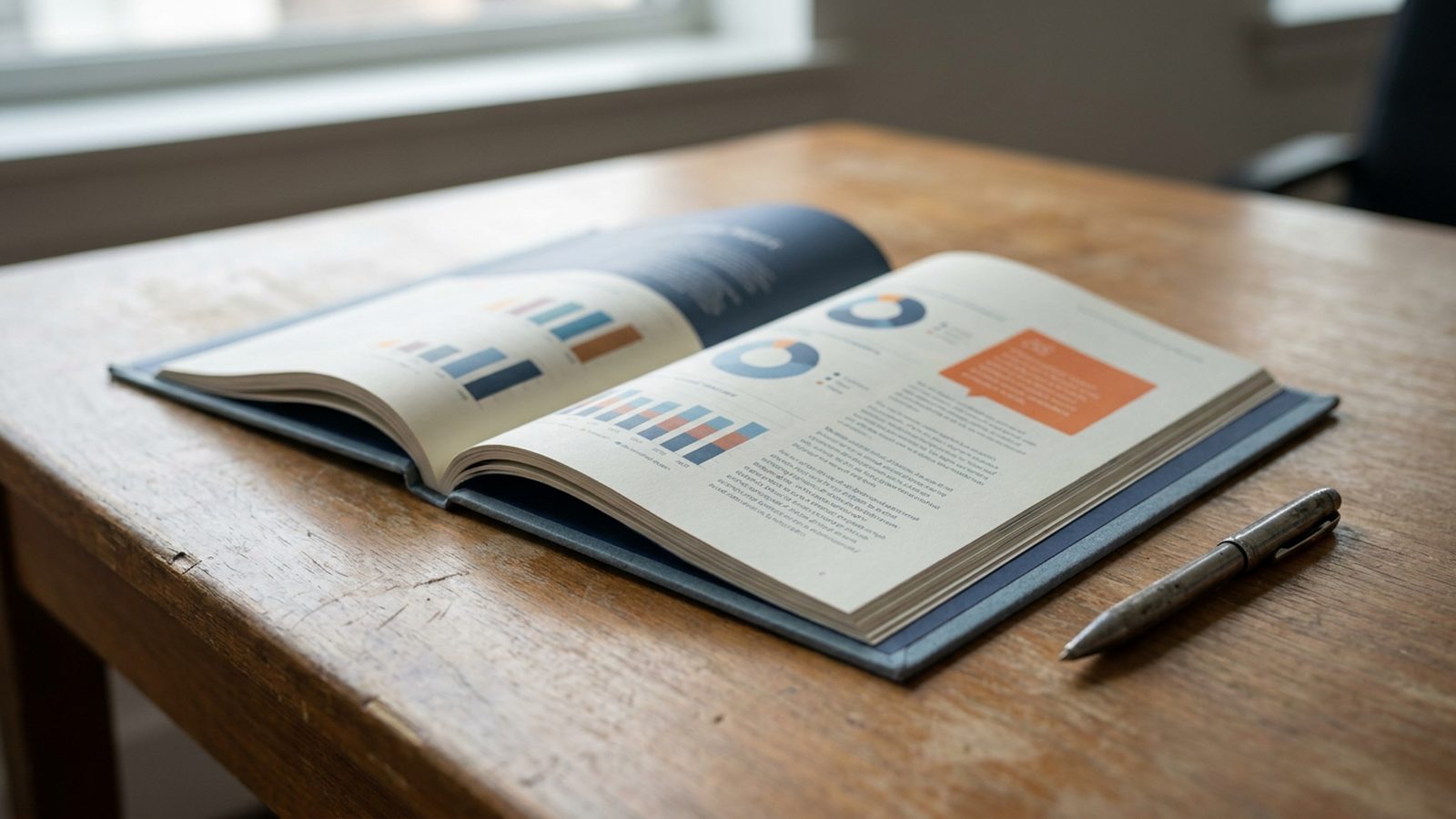
You write a sustainability report people actually read by keeping it short, honest and human: lead with what changed and what did not, use plain language instead of jargon, and let a few real numbers carry the weight rather than hundreds.
Most sustainability reports are written to be filed, not read. They are long, dense, heavy with numbers, and quietly dreaded by everyone involved, including the people who make them. Which is a shame, because a sustainability report is one of the few moments a business gets to tell its most important story properly.
It does not have to be this way. Here is how to write one people actually read.
Start with a human touch
Start with a human story, not a data table. Numbers matter, but they do not move anyone on their own. Open with a person: a farmer, a maker, an employee, a customer whose life your work touches. Let one real story stand for the bigger picture, then bring the data in to back it up. People remember the farmer. They forget the pie chart.
Be honest about the hard parts. A report that is all triumphs reads like marketing and is trusted like marketing, which is to say, not much. The most credible reports name what went wrong, what fell short, and what is still unsolved. Admitting the gaps is what makes the achievements believable.
Make the data meaningful
Make the data mean something. A statistic on its own is inert. “We cut water use by 30 per cent” is fine. “We cut water use by 30 per cent, enough to supply the whole village for a month” is memorable. Give your numbers a human scale so readers can feel them, not just read them.
Structure it so people can find their way. Not everyone will read every page, and that is fine. An honest executive summary at the front, clear headings, and the detail available for those who want it. Respect the reader’s time and they are far more likely to give it to you.
Write it in plain English. This is a document about your values and your impact, not a legal filing. Drop the jargon, explain anything technical, and let it sound like people talking. A report that is a pleasure to read gets read, and a report that gets read does its job.
Be honest about the year
Show the year honestly, not just the highlights reel. If a target slipped, say by how much and why. Readers who care enough to open a sustainability report can tell when they are being steered around the awkward bits, and the steering costs you more credibility than the shortfall ever would.
Design it to be looked at, as well as read. Most people will not sit down with a sustainability report the way they would a novel. They will skim, land on a headline figure, read a caption, follow a chart. So make the skimmable layer carry the honest story on its own, with clear captions, well-labelled charts, and pull quotes that say something real rather than something flattering. If a reader who only glances at the pictures still comes away with an accurate impression of your year, you have done the job properly. If the flattering version lives in the big type and the awkward truth hides in the small print, you have written two reports, and readers will only trust the honest one once they find it.
Outline the path forward
End with a way forward. The best reports do not just account for the past year. They set out what happens next, honestly and specifically. That is what turns a backward-looking document into a forward-looking commitment, and it gives the reader a reason to pick up next year’s edition too.
A sustainability report is a chance to build trust with everyone who cares about your business. Make it human, honest, and readable, and it will do far more than sit on a shelf. If you would like help turning your data into a report people genuinely want to read, that is one of our favourite jobs.
Related: Consultancy Cottage is where we help brands shape sustainability and communications strategy.
Similar articles



Need words like these?
Let us write for you
Blogs, newsletters, brand copy and more, from a Highland collective that keeps it human.