
Ethical Fashion & Beauty · A Better World · Pioneers
Slow Fashion: How to Tell a Story That Sells Less, Better
Published 17 March 2026 · By Jen Marsden
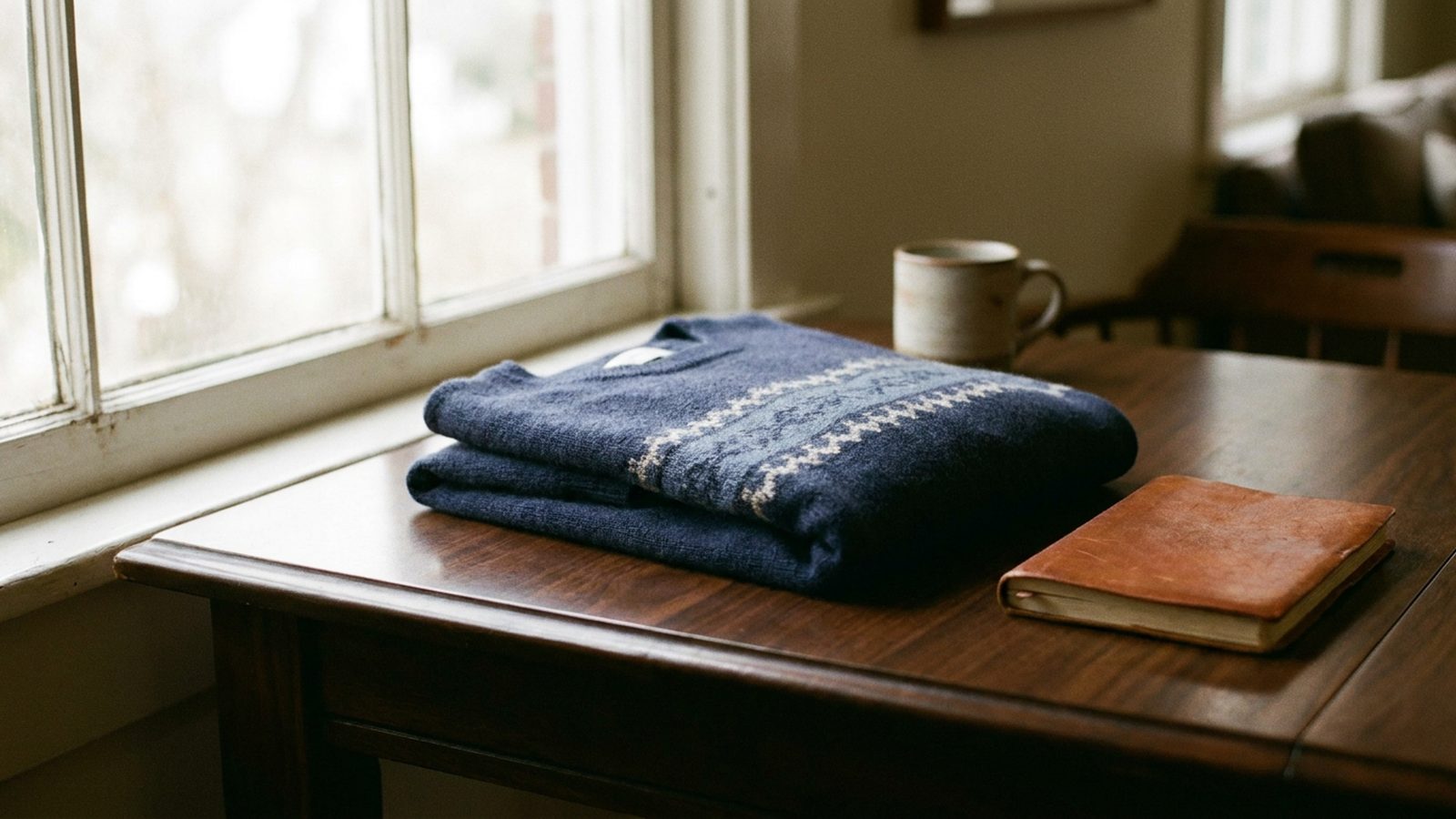
You sell less, better by telling the truth about how a garment is made and why it lasts, so buying one becomes a considered choice rather than a habit.
Slow fashion sells the value of keeping something, not the thrill of replacing it.
What kind of business tries to sell you fewer things? The interesting kind, it turns out.
Slow fashion asks something genuinely counter-intuitive of a brand. It asks you to build a business on people buying less, keeping longer, and returning rarely. In an industry addicted to volume, drops, and the dopamine of the new, that is close to heresy. And yet it is also, quietly, one of the most compelling stories a brand can tell, if you know how. Because “buy less” only works commercially when it is paired with “buy better,” and better is a story worth telling well.
The trap most slow fashion brands fall into is leading with restraint. Their marketing becomes a series of gentle prohibitions. Buy less. Consume mindfully. Resist the churn. All true, all worthy, and all faintly joyless. Nobody was ever seduced by being told to want less. The magic of slow fashion is not the sacrifice. It is what you get in return, and that is the story that actually sells.
Shifting the narrative
So reframe the whole thing around abundance of a different kind. Slow fashion is not about having less. It is about having better, and feeling it every single day. The coat that outlives the trend. The trousers that fit like they were cut for you, because more or less they were. The quiet confidence of owning things you genuinely love rather than a wardrobe of nearly-rights. That is not deprivation. That is a richer, more grown-up kind of pleasure, and it is entirely sellable.
Here is how we think about telling it.
Sell permanence, not restraint. The heart of slow fashion is longevity, so make longevity feel luxurious rather than dutiful. Talk about the garment your customer will still be reaching for in alrs, the way it softens and improves, the small repairs that become part of its character. You are not selling a purchase, you are selling a long relationship. That is a far warmer pitch than an instruction to consume less.
Justifying the higher price
Make the price make sense through story. Slow fashion costs more per item, and pretending otherwise helps nobody. So do the honest maths for the customer. Cost per wear, not cost per tag. A well-made coat worn for a decade is cheaper than three cheap ones binned in three winters. When you show your working, the higher price stops feeling like a penalty and starts feeling like arithmetic in their favour.
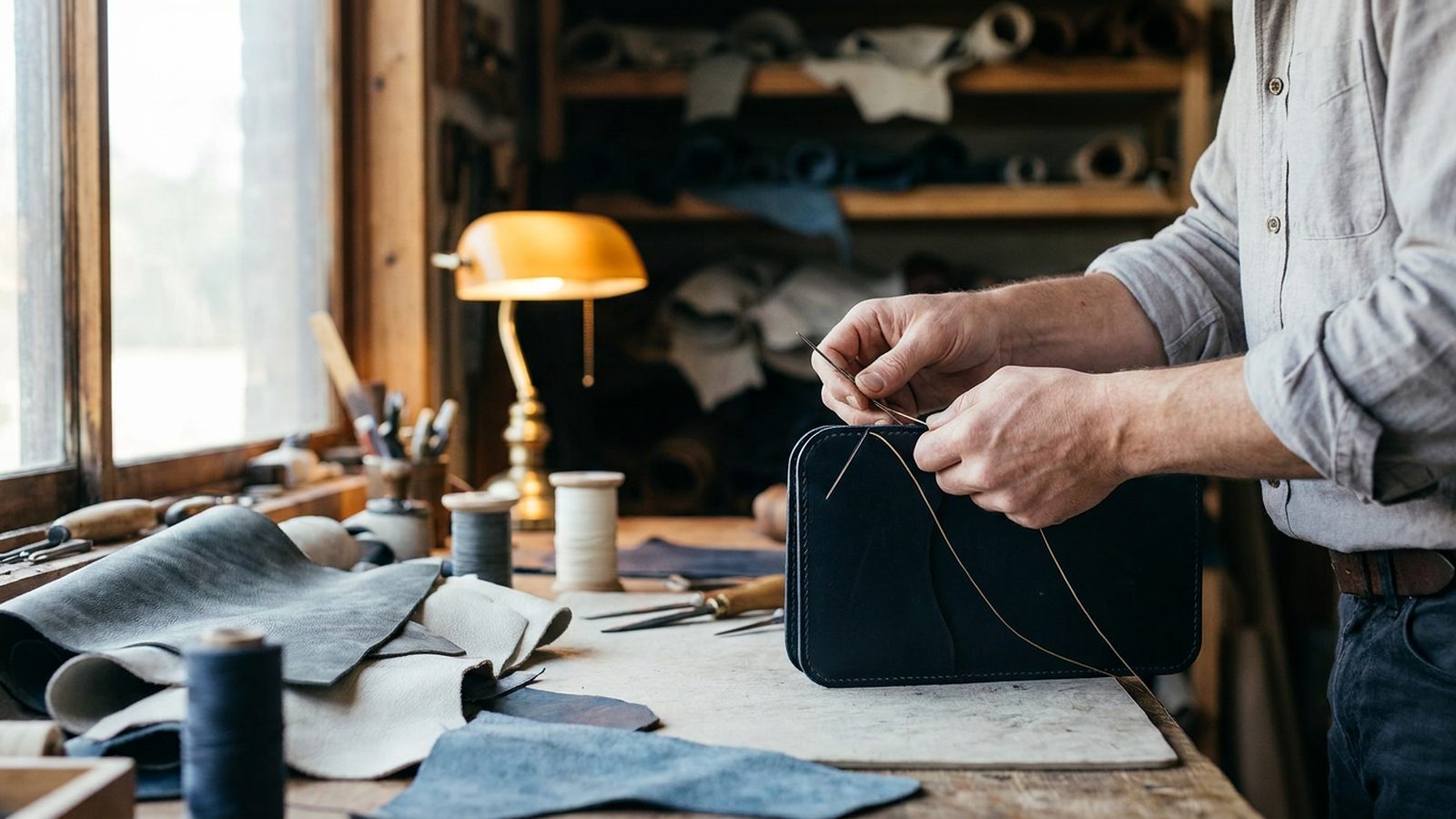
Put the maker in the frame. Slow fashion has an enormous advantage over fast fashion, which is that it can actually name the hands behind the product. Use it. The weaver, the tailor, the small workshop, the specific mill. These are not just ethics, they are romance, and romance is what makes someone willing to wait and pay for something worth having.
Celebrate slowness openly. If a piece takes eight weeks to make, do not apologise for it, frame it. Made to order, made properly, made once. The wait becomes part of the value rather than a friction to overcome. Anticipation is a pleasure the fast fashion machine has forgotten how to sell, and you can own it.
Avoid moralising your customers
And crucially, do not moralise. This is where slow fashion so often trips. The moment your storytelling tips into scolding the customer for past sins, you have lost them. Sell the joy of the better wardrobe, not the shame of the old one. Let the environmental good be the happy consequence of a genuinely lovely choice, not the guilt-laden reason for it.
The paradox at the centre of all this is rather beautiful. When you sell less, but better, and tell that story with warmth instead of finger-wagging, customers do not feel sold to less. They feel understood more. They feel like they have found a brand that respects both their taste and their intelligence.
Selling fewer, finer things is not a limitation on your story. It is your story. So tell it like something to be proud of, because it is, and if you want a hand shaping the words around your slower, better way of making things, that is exactly the kind of work that makes our day.
Related: Consultancy Cottage is where we help brands shape sustainability and communications strategy.
Similar articles

Need words like these?
Let us write for you
Blogs, newsletters, brand copy and more, from a Highland collective that keeps it human.