
Sustainability & Climate · Climate · A Better World
The Sahara Is Getting Greener: Why Counter-Intuitive Climate Stories Matter
Published 4 November 2025 · By Jen Marsden
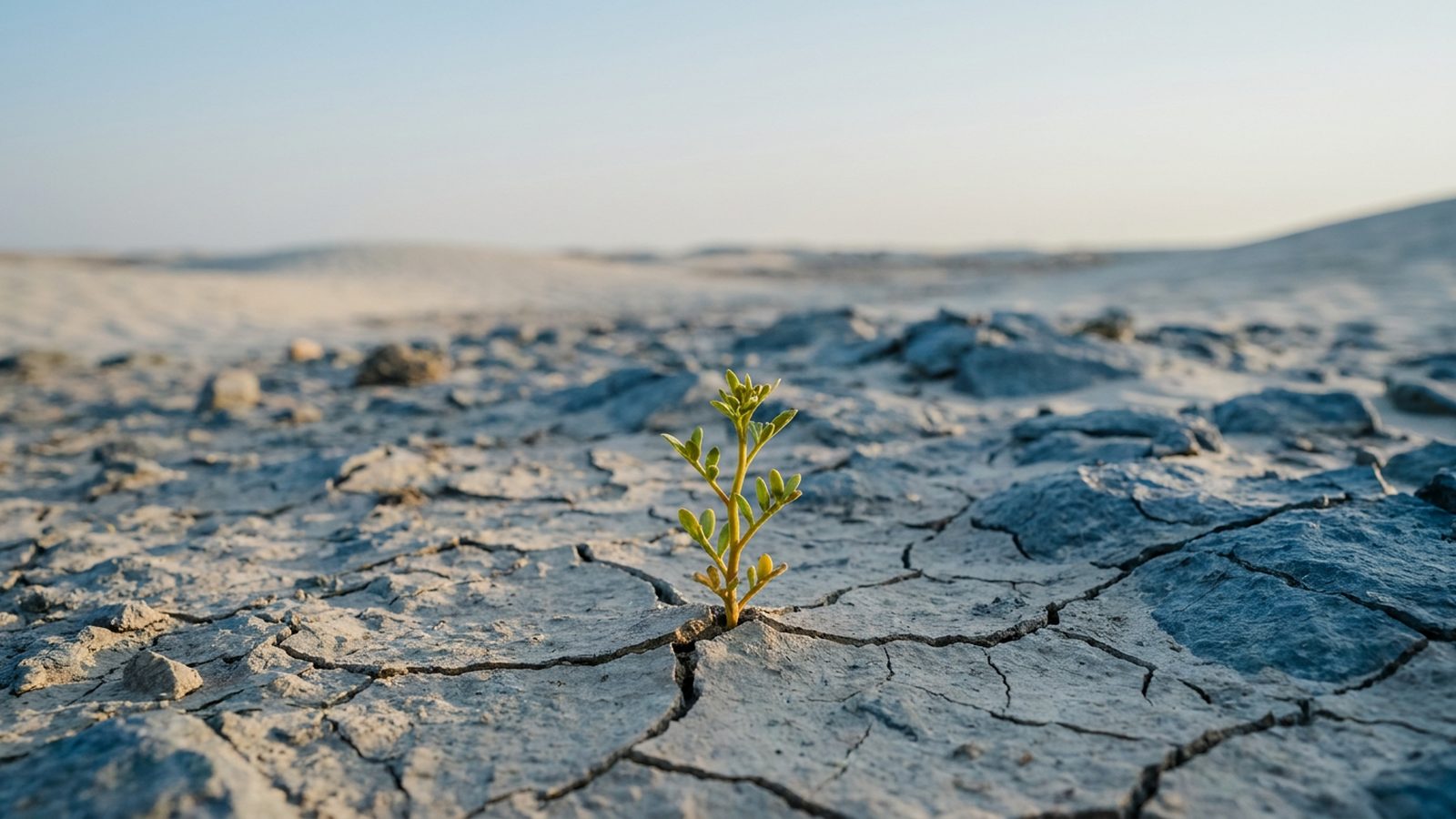
Counter-intuitive climate stories matter because the truth rarely moves in a straight line, and a story that admits the surprises is far harder to dismiss than one that flattens everything into good news or bad.
Parts of the Sahara getting greener does not undo the crisis, but it shows why honest, specific stories earn more trust than tidy ones.
Did you know that parts of the Sahara have been getting greener? It sounds like a mistake, or a piece of comforting misinformation, but it is neither. Periods of increased rainfall in recent decades have brought more vegetation to stretches of the desert, and scientists have watched it happen. It is a strange, true, slightly disorienting fact. And it is exactly the kind of story climate communicators should be telling more often.
Not because it lets anyone off the hook. A greener Sahara does not mean the climate is fine, and it does not cancel out the very real harm happening elsewhere. It matters for a subtler reason. Stories that surprise us are stories we remember, and they teach people something more valuable than any single fact. They teach that the real world is complicated, and that complication is not a reason to give up.
The limits of simple narratives
Why the tidy version fails. Most climate storytelling runs in one direction. Everything is getting worse, everywhere, all the time. That narrative is understandable, because a lot genuinely is getting worse. But as a communication strategy it has a weakness. It is so relentlessly one-note that people start to tune it out, and worse, it makes the whole subject feel like a foregone conclusion. If it is all doom, why bother?
A counter-intuitive story breaks the spell. When you tell someone that a desert is greening, or that a species thought lost has returned, or that emissions in some sector actually fell last year, you do two things at once. You reintroduce genuine curiosity, and you quietly signal that the situation is still moving, still open, still worth engaging with. That is a far more useful state of mind than numb despair.
Why complexity builds trust
Complexity as a trust-builder. Here is the part that surprises people. Telling a story that complicates the picture does not weaken your credibility. It strengthens it.
Think about who you trust in your own life. It is rarely the person who has a neat, confident answer for everything. It is the one who says, “well, it is a bit more complicated than that,” and then explains why. That willingness to sit with nuance reads as honesty. It signals that you are describing the world as it actually is, rather than bending it to fit your argument.
Climate storytelling that only ever confirms what people already expect starts to feel like propaganda, even when every fact is accurate. Storytelling that occasionally surprises us, that admits the picture has bright spots and strange corners, feels like the truth. And the truth, told well, is far more persuasive than a tidy story people have learned to distrust.
Responsible storytelling approaches
How to tell these stories responsibly. There is a catch, of course. A counter-intuitive fact in the wrong hands becomes a weapon for people who want to argue that nothing is wrong at all. So a few guardrails matter.
Always place the surprise in context. A greening Sahara is fascinating, and it sits inside a bigger picture that is still deeply serious. Say both. Never let the hopeful detail float free, where it can be misread as an all-clear.
Explain the mechanism, not just the headline. People remember and trust a story much more when they understand why it happened. The why is also what stops the fact being twisted, because a reader who grasps the cause is harder to mislead.
And be honest about uncertainty. Some of these stories are still being understood. Saying “scientists are still working out what this means” is not a weakness. It is you modelling exactly the kind of careful thinking you want your audience to adopt.
Embracing complexity in climate
The bigger point. The world is not a slogan, and it is not a disaster film either. It is a genuinely complicated place where deserts can green while glaciers shrink, and holding both of those at once is not confusion. It is maturity. Climate storytelling that respects that earns a kind of trust the doom-only version never can.
If you want to tell braver, truer, more surprising stories about the work you are doing, and you want them told with real care, that is the sort of thing we love to help with.
Related: Consultancy Cottage is where we help brands shape sustainability and communications strategy.
Similar articles


Need words like these?
Let us write for you
Blogs, newsletters, brand copy and more, from a Highland collective that keeps it human.