
Travel & Place · Slow Life · Nature & Wildlife
Coolcations and the New Rhythm of Travel Demand
Published 4 January 2026 · By Jen Marsden
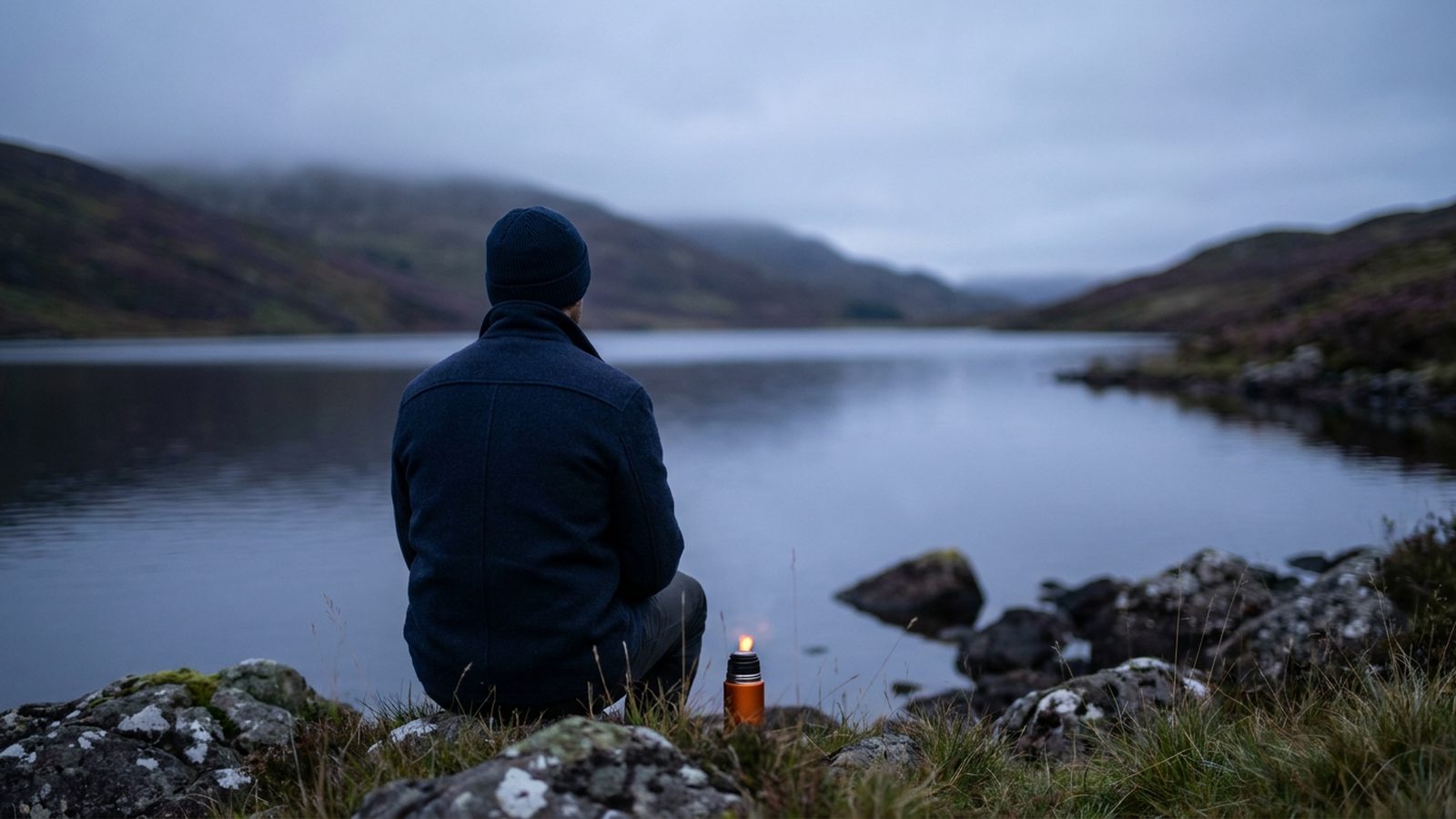
A coolcation is a holiday chosen for cooler weather, swapping the summer heat of the Med for somewhere like the long light of a Nordic summer.
As heatwaves grow, more travellers are picking where and when they go by temperature.
Would you swap a sweltering fortnight on the Med for the long light of a Nordic summer? A growing number of travellers already have. The word doing the rounds is coolcation, and it describes something simple. As southern Europe bakes, more people are pointing their holidays north, towards Scandinavia, the Scottish Highlands, the Baltic coast, and anywhere that promises a breeze rather than a heat warning.
It is tempting, when a trend like this appears, to drop everything and chase it. Rewrite the website. Rename the packages. Bolt the word coolcation onto every headline and hope the algorithm smiles. We would gently suggest a different approach. A trend is not a strategy. It is a signal, and the useful work is in reading what the signal is actually telling you.
Understanding the real shift
So what is it telling us? Underneath the catchy label is a real shift in behaviour. Peak summer in the hottest destinations is becoming less comfortable and, for some travellers, less safe. Shoulder seasons are stretching. May and September are doing work that July and August used to do. People are choosing destinations for climate resilience as much as for culture or cost. This is not a fad that will vanish when the news cycle moves on. It is the early shape of a longer change, and it rewards the businesses that understand it rather than the ones that merely repeat it.
Here is the trap. If you build your whole identity around a buzzword, you inherit its shelf life. Coolcation will feel dated the moment the next clever coinage arrives, and something always does. The destinations and operators who win are the ones who speak to the underlying need, which is comfort, timing, and a holiday that feels considered rather than endured. You can honour that need without using the word once.
How brands should respond
For those of us shaping how travel brands sound, this is where the interesting choices live. You might lean into the quieter months, telling an honest story about why September light on a Highland loch beats the crush of high summer. You might talk about slower, cooler, longer trips without pretending you invented the idea. You might simply be truthful about the weather, which travellers increasingly respect, because they have been caught out before and they remember.
There is also a temptation to overclaim. A destination that happens to be cooler is not automatically greener, and audiences can tell the difference. If your northern location involves long-haul flights to reach it, saying so and helping people travel well matters more than borrowing the shine of a trend. The brands we admire read demand honestly, then respond with something genuine. They do not paper over the gaps with a fashionable noun.
The discipline of observation
Reading a trend without chasing it is a discipline, and it looks a little dull from the outside. It means watching booking patterns across a couple of seasons rather than reacting to a single hot week. It means asking why people are behaving differently, not just noting that they are. It means resisting the urge to be first with the hashtag and choosing instead to be clear about what you actually offer. Slower, we admit, but far more durable.
The practical upshot is worth stating plainly. Look at where your genuine strengths meet this changing demand. If your place is naturally suited to warm-but-not-scorching escapes, say it in your own voice and with your own evidence. If your best season is quietly shifting, update your calendar, your imagery, and your copy to match reality rather than nostalgia. And if the coolcation label helps a reader find you, use it lightly, as a door rather than a house.
Focus on underlying changes
Trends will keep arriving, dressed up in new language every year. The rhythm of travel demand, though, is changing underneath all of it, and that is the thing worth paying attention to. Read the signal, keep your voice, and let the buzzword pass through without moving in. Your audience will trust you more for it, and trust, in the end, is the only trend that never goes out of season. Start by asking what your quieter seasons are really offering, and tell that story well.

Need words like these?
Let us write for you
Blogs, newsletters, brand copy and more, from a Highland collective that keeps it human.