
Travel & Place · Slow Life · Nature & Wildlife
The Industry Does Not Need More Destination Lists
Published 3 December 2025 · By Jen Marsden

The travel industry does not need another list of twenty-five places to visit before you die.
It needs writing that gives a place a reason to be remembered, the kind no ranking can fake.
Another year, another twenty-five places to visit before you die. You have seen the format so often it barely registers. A grid of gorgeous photos, a paragraph of breathless copy each, a ranking nobody quite believes, and a comments section full of people arguing about what got left off. The travel industry produces these lists by the tonne, and they are one of the least useful things we make.
Here is my quiet heresy. The industry does not need more destination lists. It needs more people willing to stay somewhere long enough to notice the marigolds.
The marigolds explained
Let me explain the marigolds. A few years ago I spent time in a rural village I had chosen more or less at random. There was nothing on any list about it. No must-see, no hidden gem, no reason for an editor to send anyone. And because there was nothing to tick off, I did something I almost never do on the road. I stayed put.
By the third day I had started to notice things. At the end of my street an elderly woman grew marigolds in old paint tins, dozens of them, a riot of orange spilling off every windowsill. Each morning she watered them and talked to a neighbour across the way. By the end of the second week I knew the rhythm of that street: the times the children came home, the dog that patrolled the corner, the way the light moved across those marigolds through the day. None of it was remarkable. All of it was unforgettable.
You cannot get that from a list. A list is built for speed. It assumes you will visit a place, extract its highlight, photograph it, and leave for the next entry. It is travel as consumption, a menu of experiences to be worked through, and it produces a very particular kind of tourist: one who has been everywhere and understood nowhere.
The problem with lists
The deeper problem is what these lists do to places. When a hundred publications name the same dozen destinations, those places buckle under everyone arriving at once, while thousands of other towns and coasts and valleys, every bit as worth knowing, sit ignored because no editor ranked them. The list makes the crowded more crowded and the overlooked more overlooked.
So what should we make instead?
What to make instead
More writing about staying. About what happens when you give a single, unglamorous place enough time to reveal itself. The slow accumulation of small knowledge that turns a stranger into something closer to a temporary local.
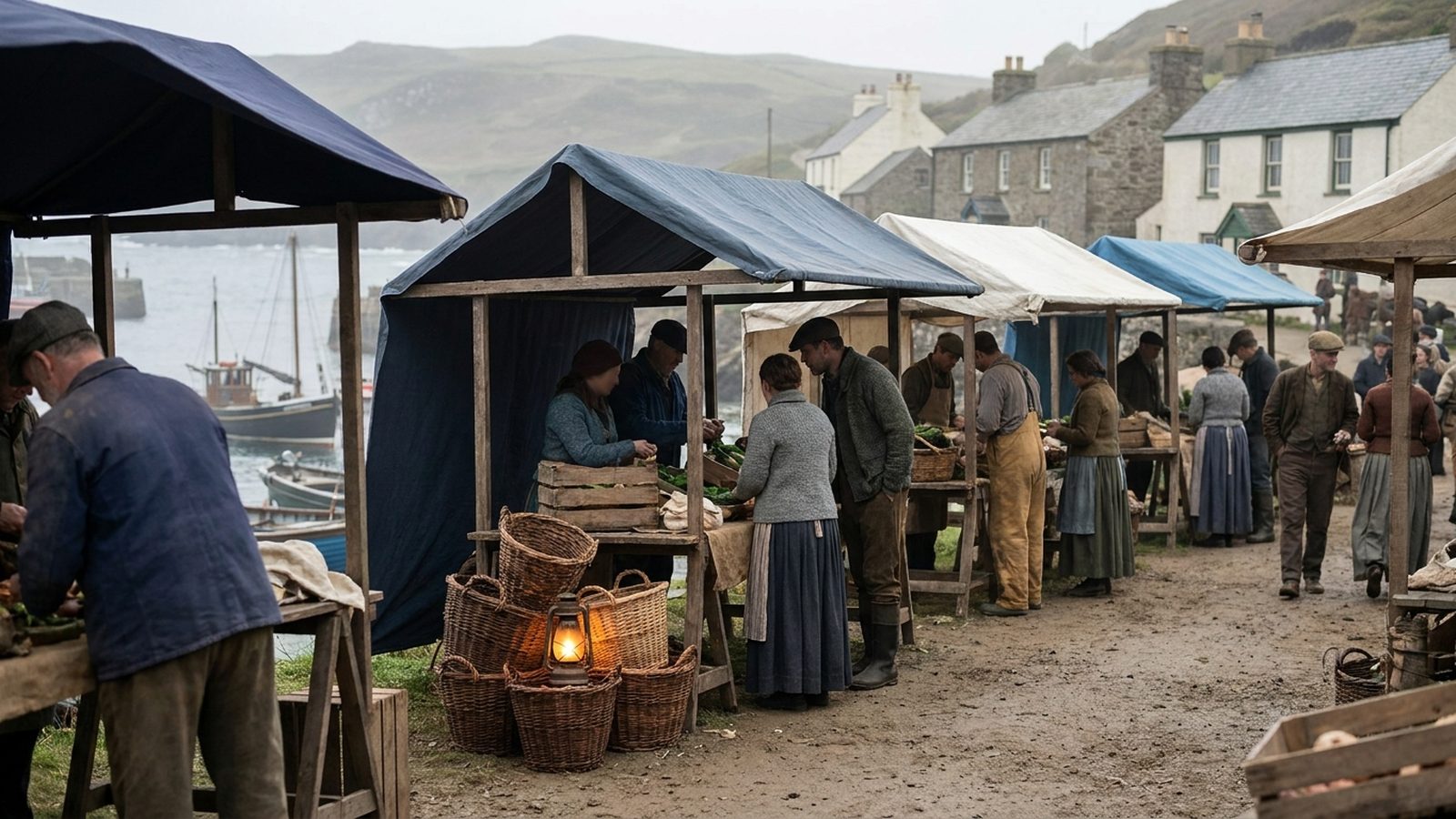
More attention to the ordinary. Not the ten wonders, but the one café where the same men play cards every afternoon, the one market stall whose owner remembers you by the second visit. This is where the texture of a place lives, and no list has room for it.
More honesty about pace. The industry sells travel as a series of peaks, one dazzling sight after another. Real travel, the kind that changes you, has a lot of ordinary time in it, and that ordinary time is not filler. It is where the noticing happens.
Why lists still persist
I understand why lists persist. They are easy to make, easy to share, and they perform beautifully. People click. But performing well and being good are not the same thing, and we have confused the two for long enough.
None of this requires a grand gesture, only a different instinct. The next time you are tempted to produce or consume another ranking of the world’s best anywhere, stay somewhere unranked instead. Give it a week. Watch a street long enough to learn its habits. Find your own marigolds.
The industry has enough lists. What it is short of is patience, and patience is where the best stories have been hiding all along.
Similar articles


Need words like these?
Let us write for you
Blogs, newsletters, brand copy and more, from a Highland collective that keeps it human.