
Highlands Life · Scotland · Slow Life
How Nature Sets the Pace for Creative Work
Published 23 June 2026 · By Jen Marsden
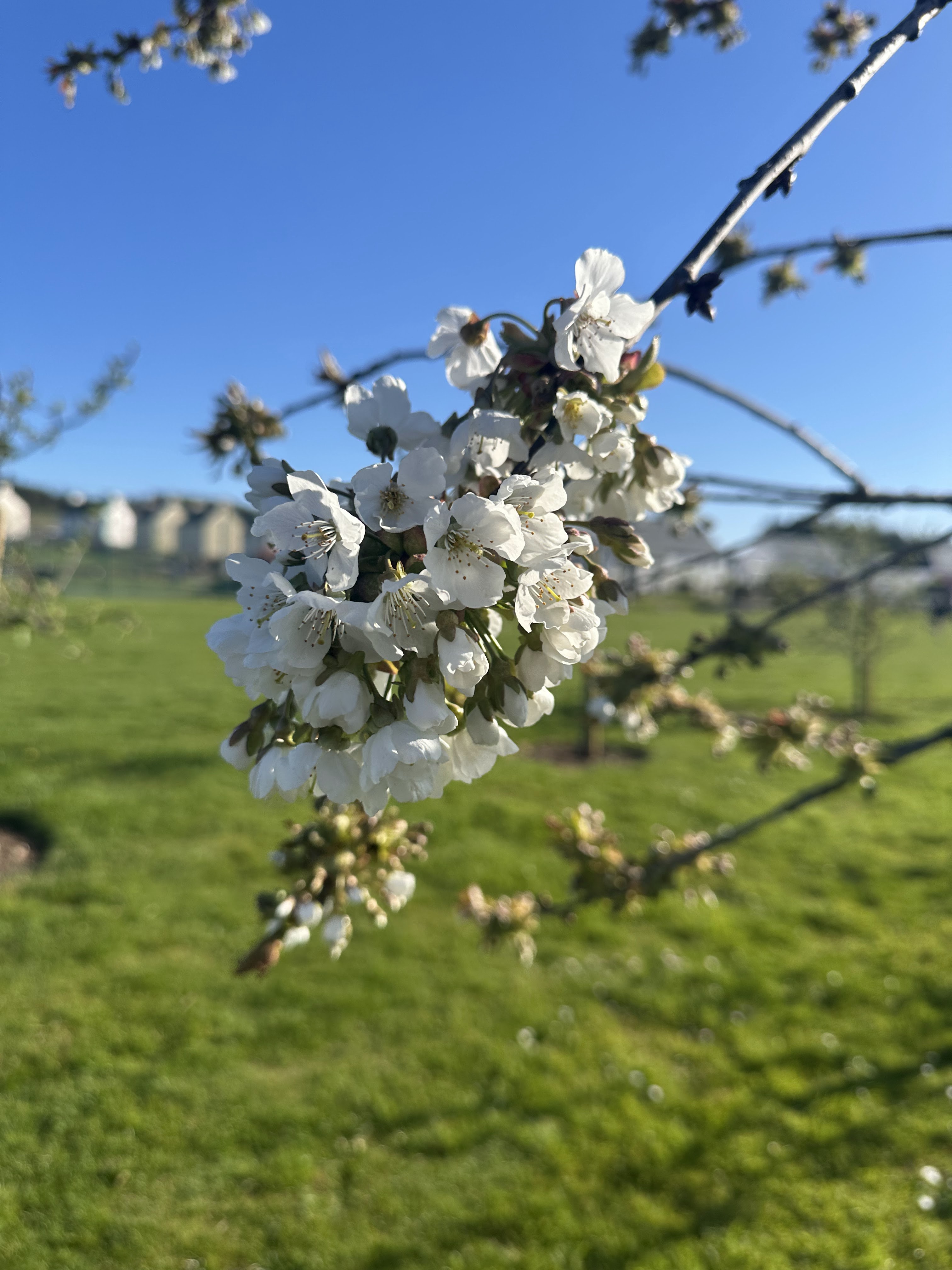
What if the deadline is the least natural thing about the way we work?
I keep an allotment, and the allotment has strong opinions about time. You cannot hurry a potato. You cannot brainstorm your way to an earlier harvest or hold a stand-up meeting to accelerate the spinach. The soil works to its own calendar, indifferent to your quarter and your launch date, and there is nothing you can do about it except show up, do the right thing in the right season, and wait. When I first took it on I found this maddening. Now I think it is the single most useful thing my working life has learned from my growing one.
Because creative work, real thinking, behaves far more like a garden than like a factory, and we insist on pretending otherwise. We have built a whole professional culture around the fiction that ideas are a manufacturing output, that if you apply enough hours and pressure at the front end, quality reliably drops out the other. Sometimes it does. Often it produces the intellectual equivalent of a forced, tasteless supermarket tomato, technically present, recognisably the right shape, and somehow lifeless.
Work has its own natural seasons
The allotment has taught me that good work, like good growing, has seasons, and that fighting the seasons is a fool’s errand. There is a time for sowing, which in creative terms is the wide, unhurried gathering of inputs, the reading and noticing and wandering that feels suspiciously like doing nothing. There is a time for tending, the patient, undramatic work of drafting and testing and coming back to a thing again and again. And there is a time for harvest, when the work is finally ready and comes off clean and whole. Try to harvest in the sowing season and you get nothing worth having. Skip the sowing and there is simply nothing to harvest, no matter how furiously you tend.
Patience, it turns out, is not the opposite of productivity. It is a form of it. The fallow-seeming stretch where an idea appears to be doing nothing is very often the stretch where it is quietly putting down roots. I have learned not to panic in that phase, not to mistake the absence of visible output for the absence of progress. Some of my best work for clients came after a period where, to an anxious onlooker, I would have seemed to be merely staring out of the window at the weather. I was sowing. It just does not photograph well.
Conditions are crucial for growth
There is also the matter of conditions, which the garden takes seriously and the office rarely does. You cannot force a plant to grow in the wrong soil by wanting it more. You improve the soil, you tend the conditions, and then you let the growing happen. Creative work is exactly the same, and I wish more workplaces understood it. You cannot command an idea into existence by adding pressure. You create the conditions, the rest, the attention, the freedom from constant interruption, and then you have the humility to wait for something to come up. Pressure does not grow ideas. It compacts the soil they need.
None of this is an argument against deadlines, before anyone reaches for that objection. My allotment has deadlines, hard ones, set by the first frost and the shortening light, and they concentrate the mind wonderfully. The point is not that deadlines are bad. The point is that the deadline is the harvest date, and you cannot bring it forward by wishing. You can only make sure the earlier seasons were honoured, so that when the moment comes there is actually something ripe to gather.
Embrace nature’s pace
I find enormous relief in this. The pressure to be constantly, visibly productive, to treat every hour as an assembly line, is exhausting and, worse, it does not even work for the kind of thinking that matters most. The garden gives me permission to trust a slower and truer rhythm, to believe the quiet seasons are earning their keep, to wait without guilt for the work to be ready rather than merely due.
So if you are staring at an idea that stubbornly refuses to ripen on demand, consider that you may not be failing. You may simply be in an earlier season than the one you wanted to be in. Tend the conditions. Do the right thing for the time of year. And then, hard as it is, let it grow.


Need words like these?
Let us write for you
Blogs, newsletters, brand copy and more, from a Highland collective that keeps it human.