
Slow Food & Agriculture · Food & Farming · Slow Life
How to Market Ethical Food Without the Guilt Trip
Published 6 February 2026 · By Jen Marsden
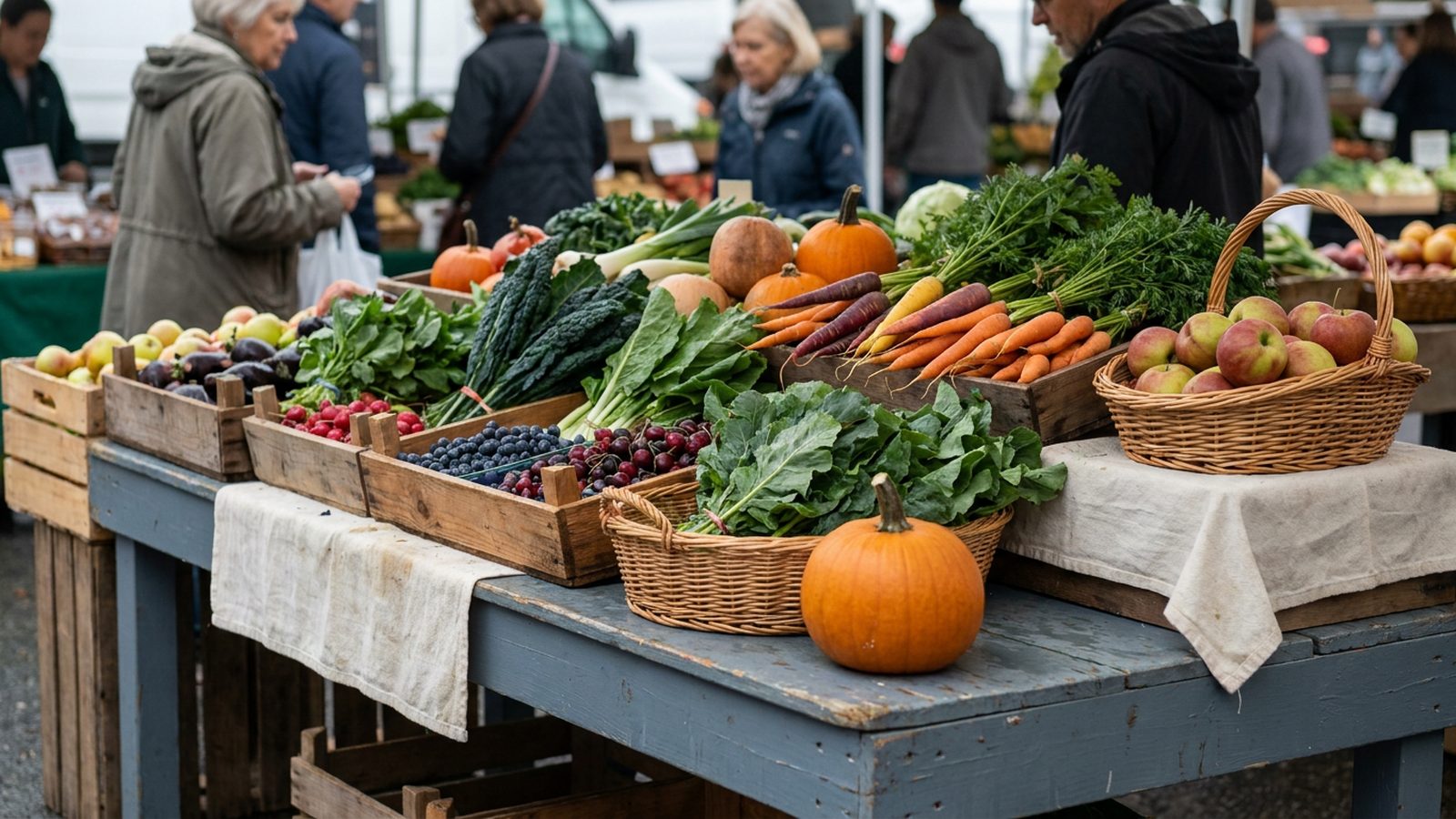
You market ethical food without the guilt trip by leading with pleasure, not penance: make it taste good, look good, and feel like a treat, then let the ethics be the happy detail rather than the sermon.
People buy food they want, not food they have been frightened into.
Have you ever put down a product because its packaging made you feel like a terrible person? A grim statistic here, a wagging finger there, a general sense that if you do not buy this immediately the planet is doomed and it is entirely your fault. It is exhausting. And it rarely works.
Plenty of ethical food brands fall into the guilt trap, and you can understand why. The problems are real and urgent, and when you care deeply about something it feels natural to sound the alarm. But guilt is a surprisingly poor motivator. It makes people defensive, it makes them tune out, and it makes shopping feel like homework. Nobody wants their weekly food shop to double as a moral exam.
The good news is there is a better way, and it is more effective too. Lead with joy. Here is how we think about it.
Focus on what people want
Start with the thing people actually want, which is delicious food. Before anyone cares about your carbon figures or your supply chain, they want to know one thing. Is this going to be lovely to eat? If the answer is yes, say so, and say it with real warmth. Describe the taste, the texture, the smell of it fresh out of the oven. Make people hungry. The ethics can come along for the ride, but flavour opens the door.
Then frame the good stuff as a bonus, not a burden. There is a big difference between “buy this or the bees will die” and “every jar of this helps keep our local meadows buzzing”. Same message, completely different feeling. The first makes people feel guilty. The second makes them feel part of something good. People love feeling like the hero of a small, hopeful story. Let them.
Be specific, not preachy
Be specific rather than preachy. Vague virtue makes people suspicious. Concrete detail earns trust. Instead of saying your brand is “committed to sustainability”, tell people that your oats come from a farm forty miles away, or that your packaging breaks down on a home compost heap in twelve weeks, or that you pay your growers a price agreed a year in advance so they can plan properly. Specifics are believable, and they carry their own quiet pride without any lecturing needed.
Watch your tone like a hawk. The line between passionate and preachy is thinner than most brands realise. A good test is to read your copy aloud and ask whether it sounds like a friend recommending something they love, or a campaigner telling you off. If it is the latter, soften it. You can be serious about your values and still sound like someone people would want to have a cup of tea with. In fact, that combination is exactly what builds loyalty.
Respect your customers
Give people credit. Your customers are not villains who need saving from themselves. They are thoughtful people making the best choices they can within busy, complicated lives. Talk to them as equals. Celebrate the choice they are making rather than scolding them for the choices they are not. A brand that makes people feel capable and good will always beat one that makes them feel small.
And do not be afraid of a bit of lightness. Ethical food has a reputation for being terribly earnest, all hessian and hushed reverence. It does not have to be. A little humour, a bit of personality, a wink now and then, all of these make a brand feel human and approachable. Caring about the planet and having a sense of humour are not mutually exclusive. Some of the brands doing this best are genuinely funny, and it makes their sincerity land harder, not softer.
Joy over guilt
The truth underneath all of this is simple. People change their habits when change feels good, not when it feels like punishment. Joy is sticky. Guilt is not. If you want someone to come back to your product week after week, year after year, you need them to associate it with pleasure and pride, not shame.
So next time you are writing about your ethical food brand, try leading with the joy. Make people hungry, make them proud, make them smile. The values will shine through all the brighter for it. And if you want a hand getting the tone just right, that is exactly the kind of thing we love to do.


Need words like these?
Let us write for you
Blogs, newsletters, brand copy and more, from a Highland collective that keeps it human.